
From Blueprint to Reality: PMI Thailand Chapter Technical Field Visit to the MRT Purple Line South Project
On Friday, May 22, 2026, the PMI Thailand Chapter organized a technical field visit to one of Bangkok’s most ambitious infrastructure developments, the MRT Purple Line South Extension, connecting Tao Poon to Rat Burana.
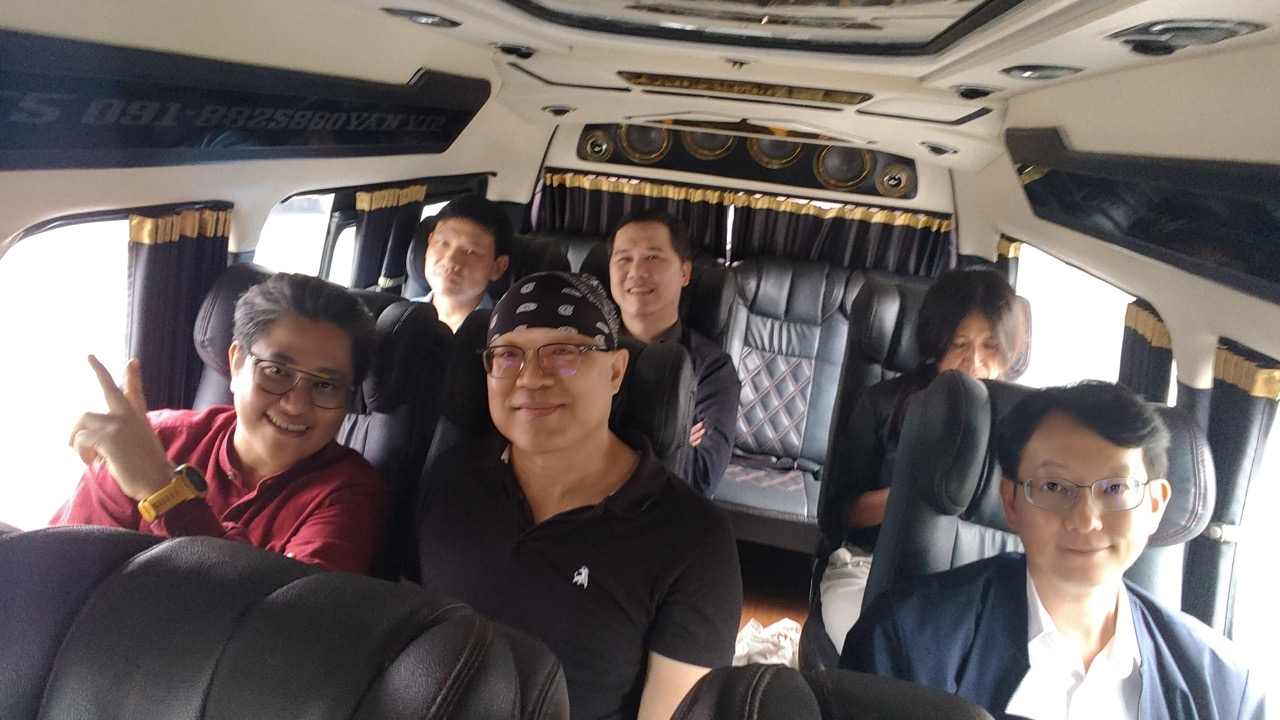
A total of 23 participants joined the visit across two vans. The session brought together project managers, engineers, consultants, and infrastructure professionals to observe firsthand how one of Thailand’s largest urban rail megaprojects is being planned, managed, and executed.
The field trip combined technical presentations, construction management discussions, and a live station site visit. Participants gained direct exposure to real-world applications of project governance, contract management, tunneling technologies, risk management, safety controls, stakeholder coordination, and urban construction execution.
Overview of the MRT Purple Line South Extension
The MRT Purple Line South Extension is part of Bangkok’s long-term mass transit master plan under the supervision of the Mass Rapid Transit Authority of Thailand (MRTA).
The project extends the existing Purple Line from Tao Poon southward through the historic and densely populated core of Bangkok toward Rat Burana.
Key project details include:
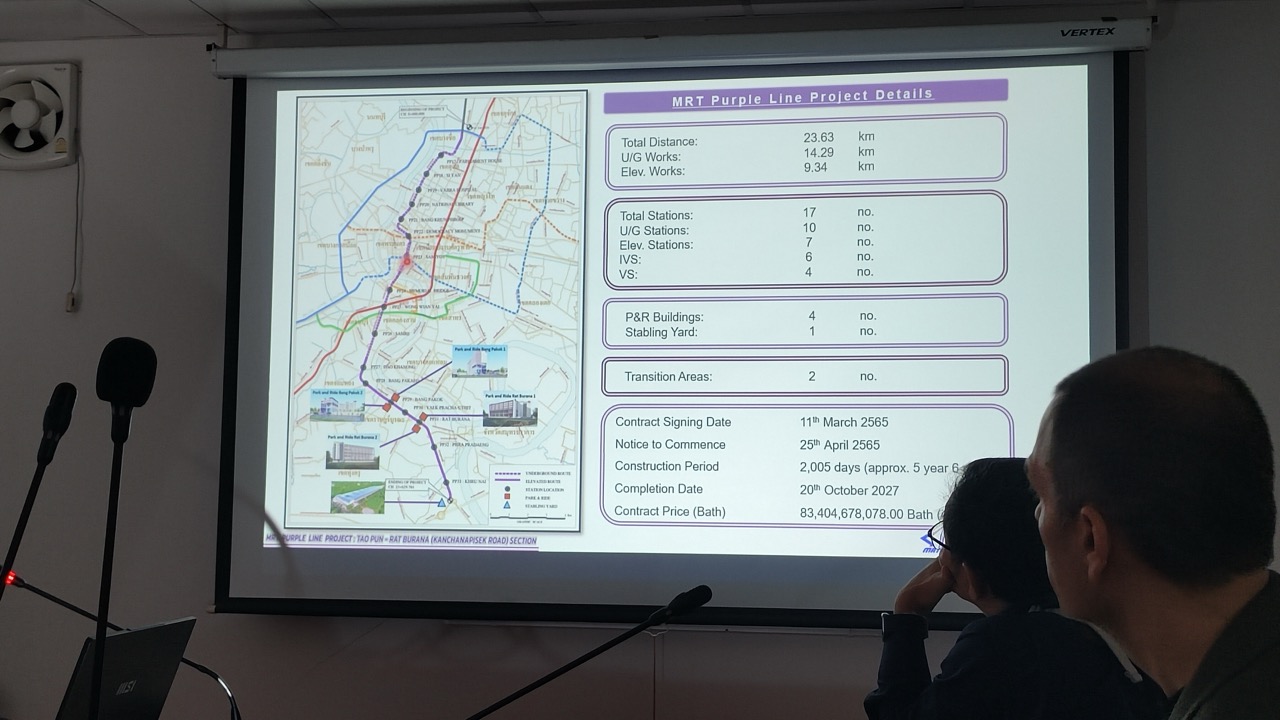
- Total route length: approximately 23.6 km
- Underground section: approximately 14.3 km
- Elevated section: approximately 9.3 km
- Total stations: 17
- Underground stations: 10
- Elevated stations: 7
- Expected operational opening: targeted around 2028
- Total project value: approximately THB 82 billion
The route passes through highly sensitive urban areas including:
- The Thai Parliament district
- Samsen Road
- The National Library area
- Rattanakosin historical zones
- Chao Phraya River crossing areas
- Wongwian Yai
- Dao Khanong
- Rat Burana
The complexity of the alignment creates significant engineering and stakeholder management challenges, particularly due to:
- Limited right-of-way
- Historic structures
- Existing utilities
- Traffic management constraints
- Groundwater control
- Settlement monitoring requirements
Project Delivery Structure and Contract Packaging
One of the strongest learning points during the visit involved understanding how a megaproject of this scale is divided into multiple contract packages.
The program has been segmented into several major civil contracts, commonly referred to as C1 through C5, along with separate railway systems contracts.
Examples include:
- Contract C1:
Tao Poon to National Library underground works - Contract C2:
National Library to Phan Fah underground works - Additional contracts:
Covering river crossing sections, underground civil works, elevated structures, depot works, railway systems, and E&M integration
This packaging strategy allows:
- Parallel construction execution
- Better risk allocation
- Specialized contractor engagement
- Improved schedule management
- Better cost control
- Easier interface management
The project involves multiple major contractors and joint ventures including:
- CH. Karnchang
- Sino-Thai Engineering & Construction
- Italian-Thai Development
- Unique Engineering and Construction
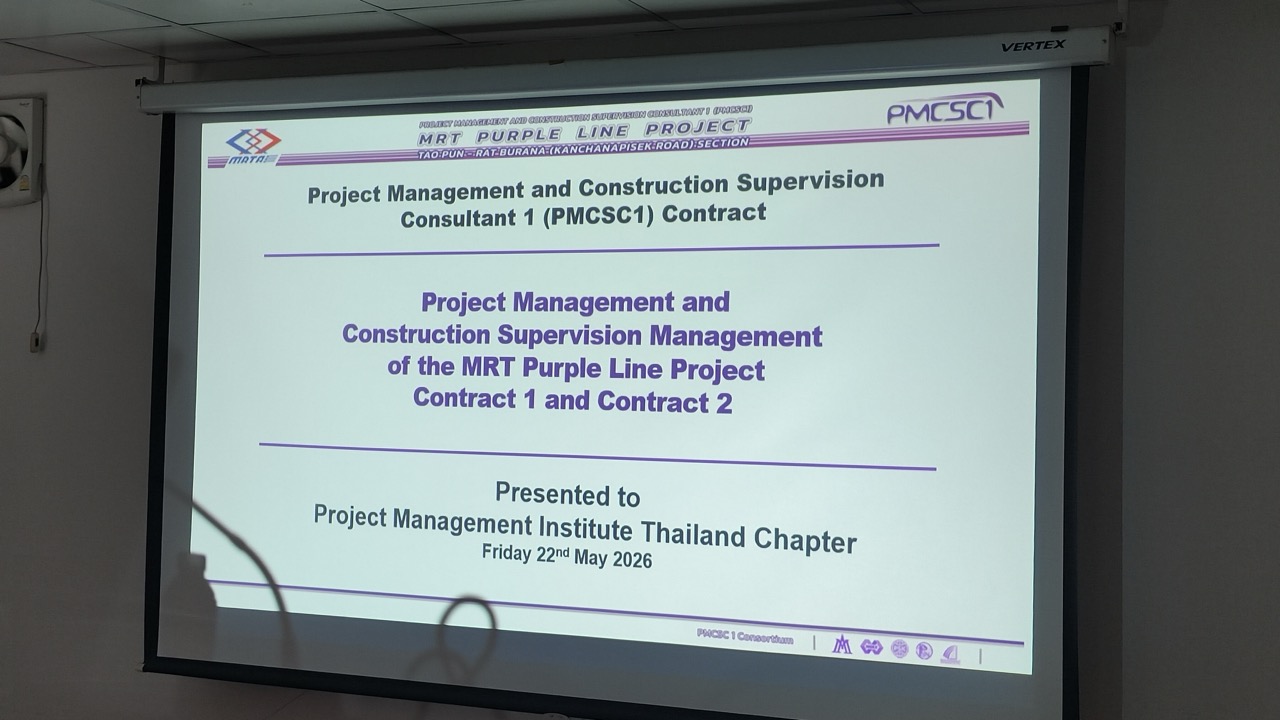
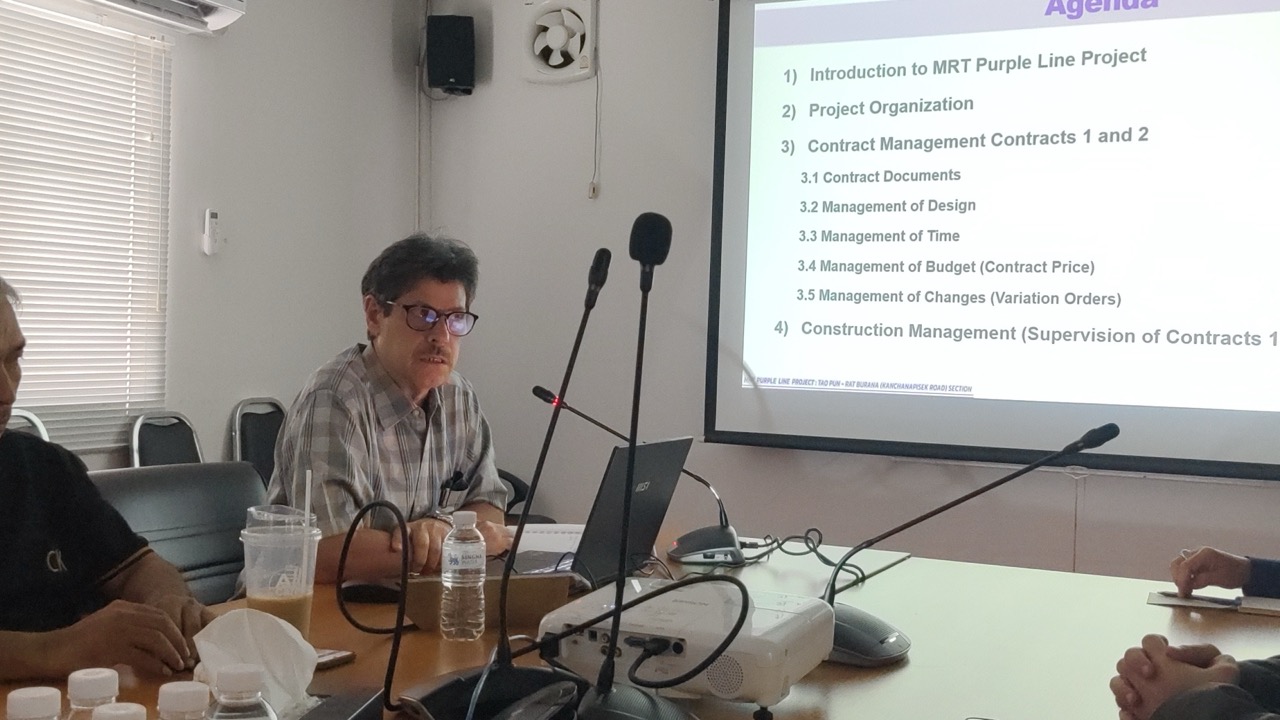
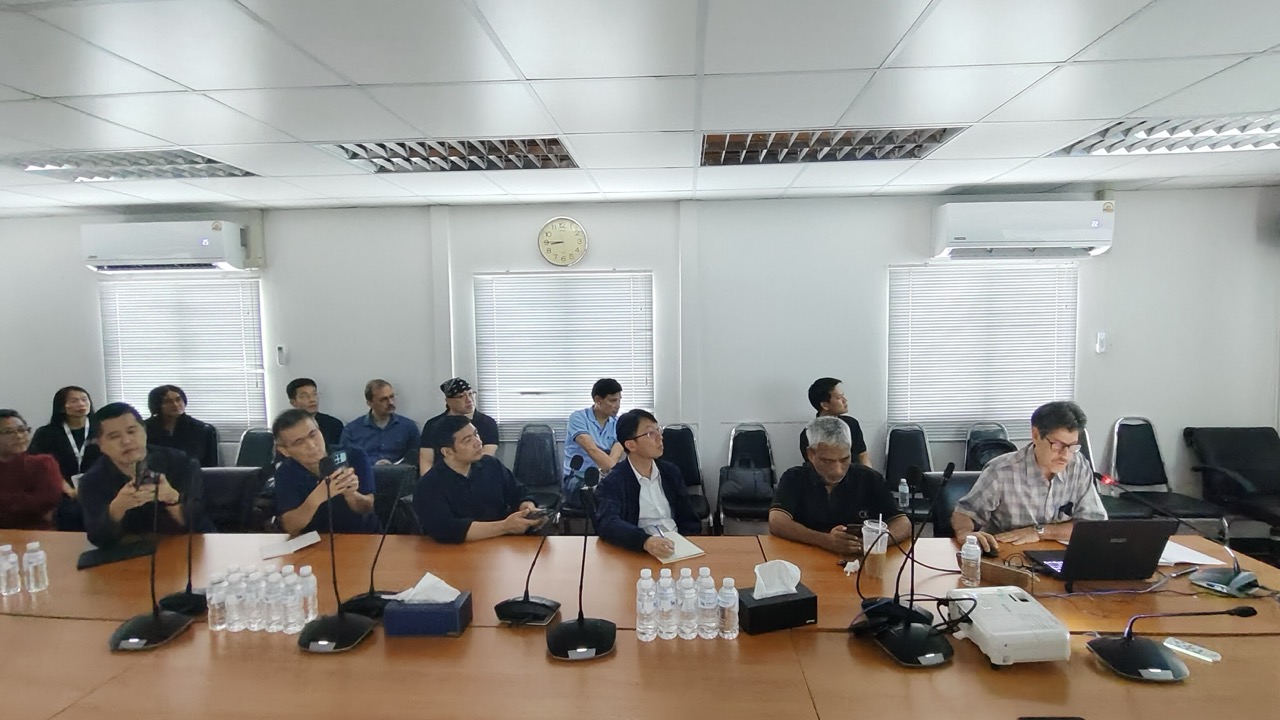
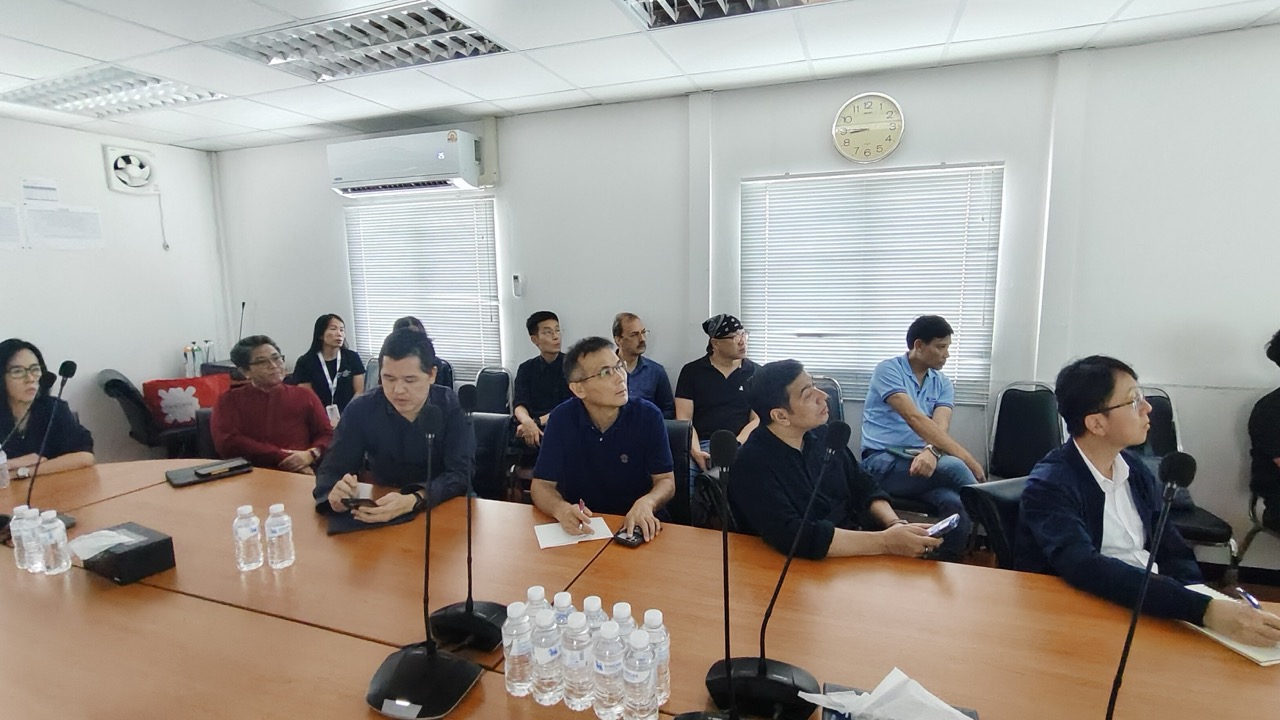
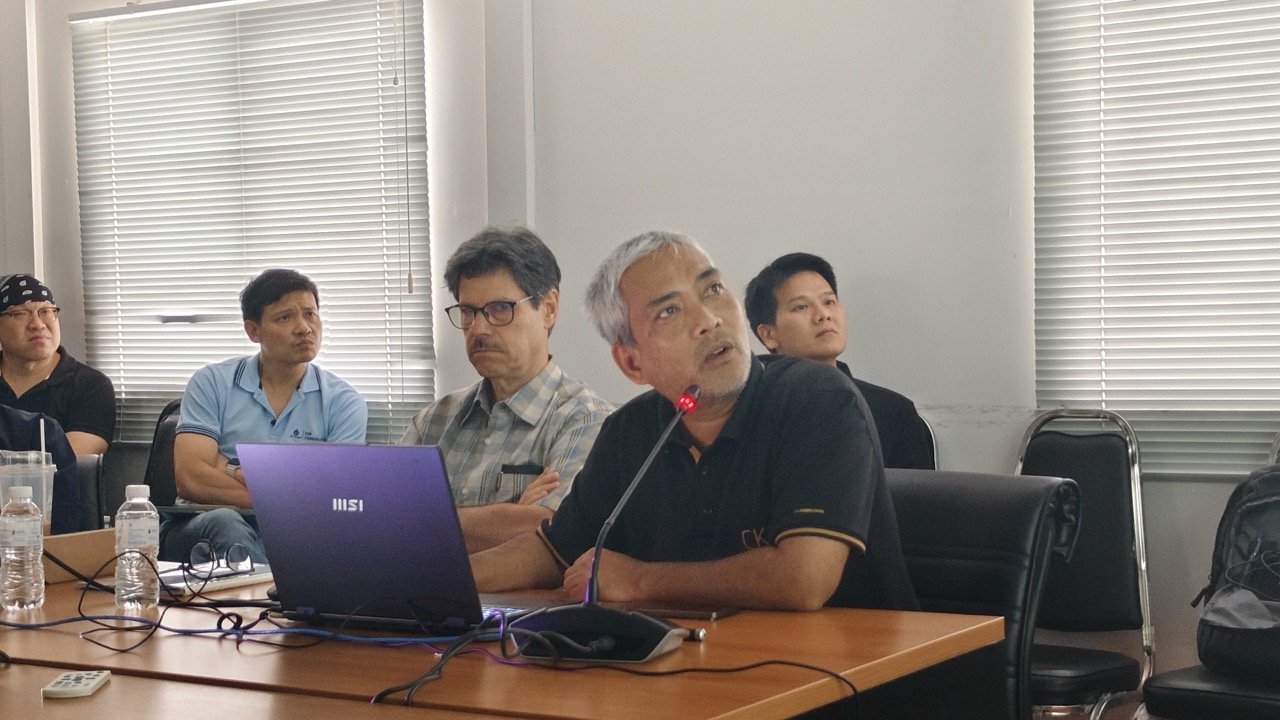
First Destination: CK Orange Line Project Office
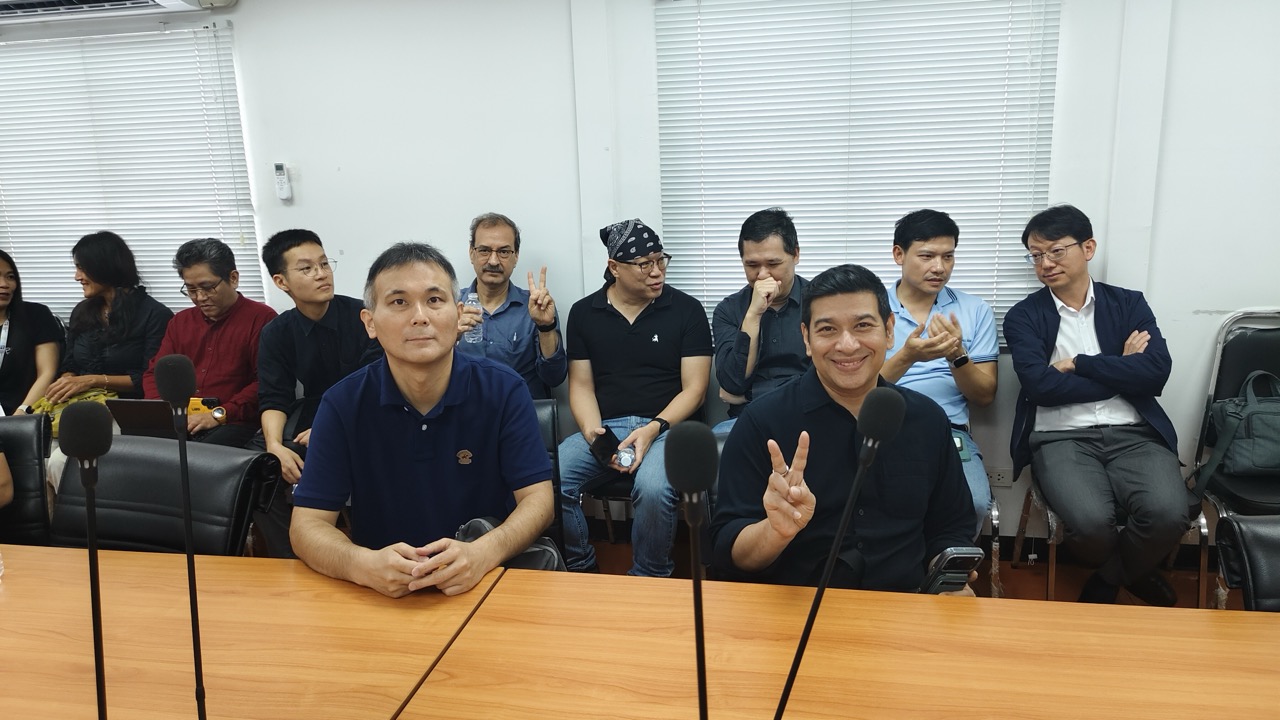
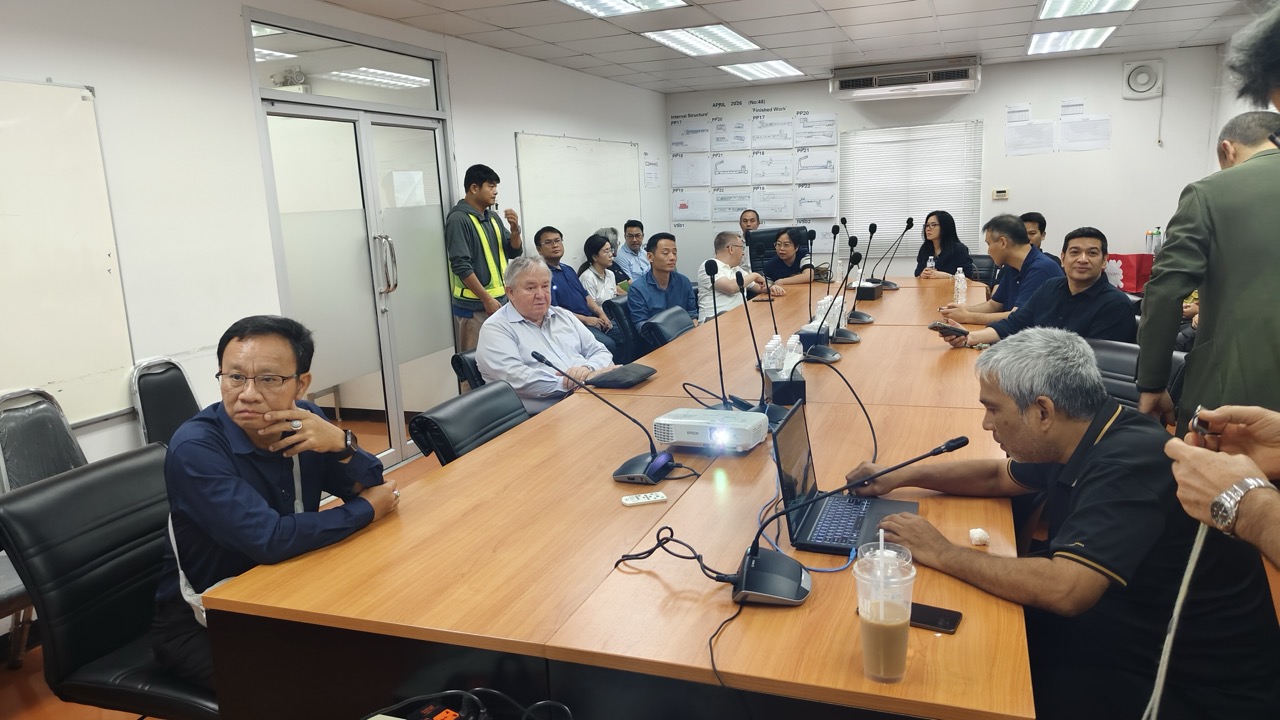
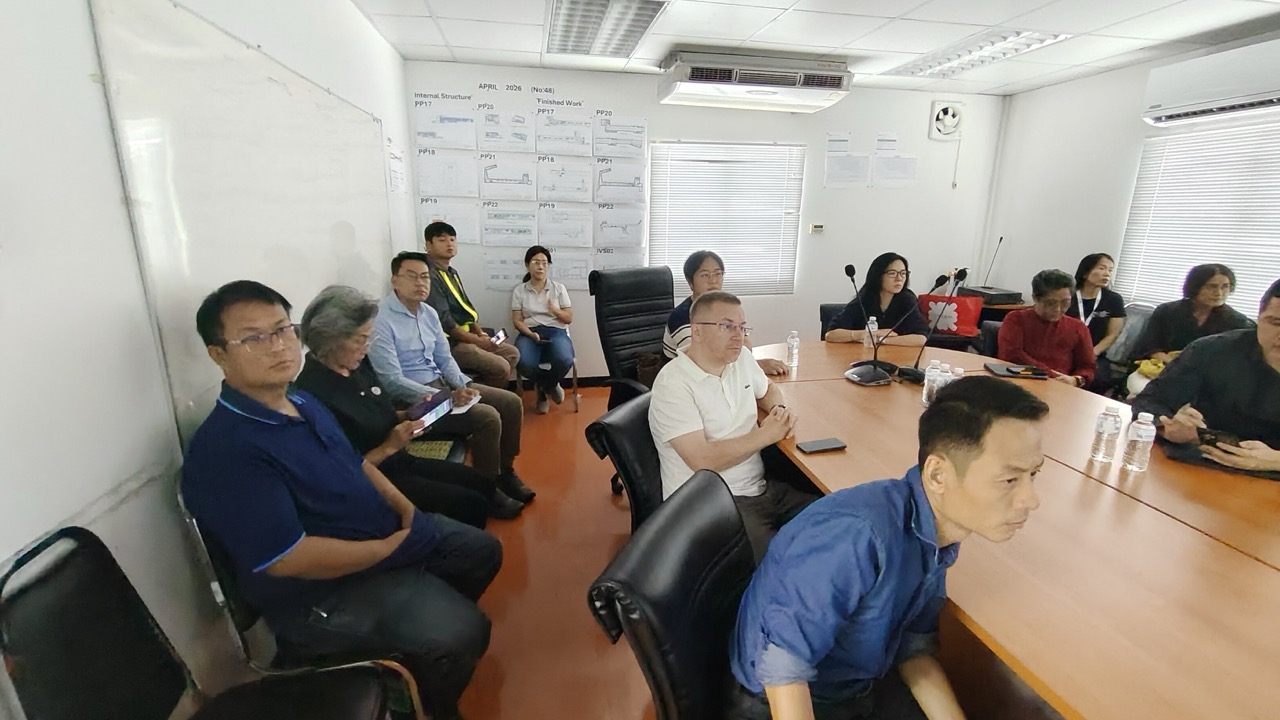
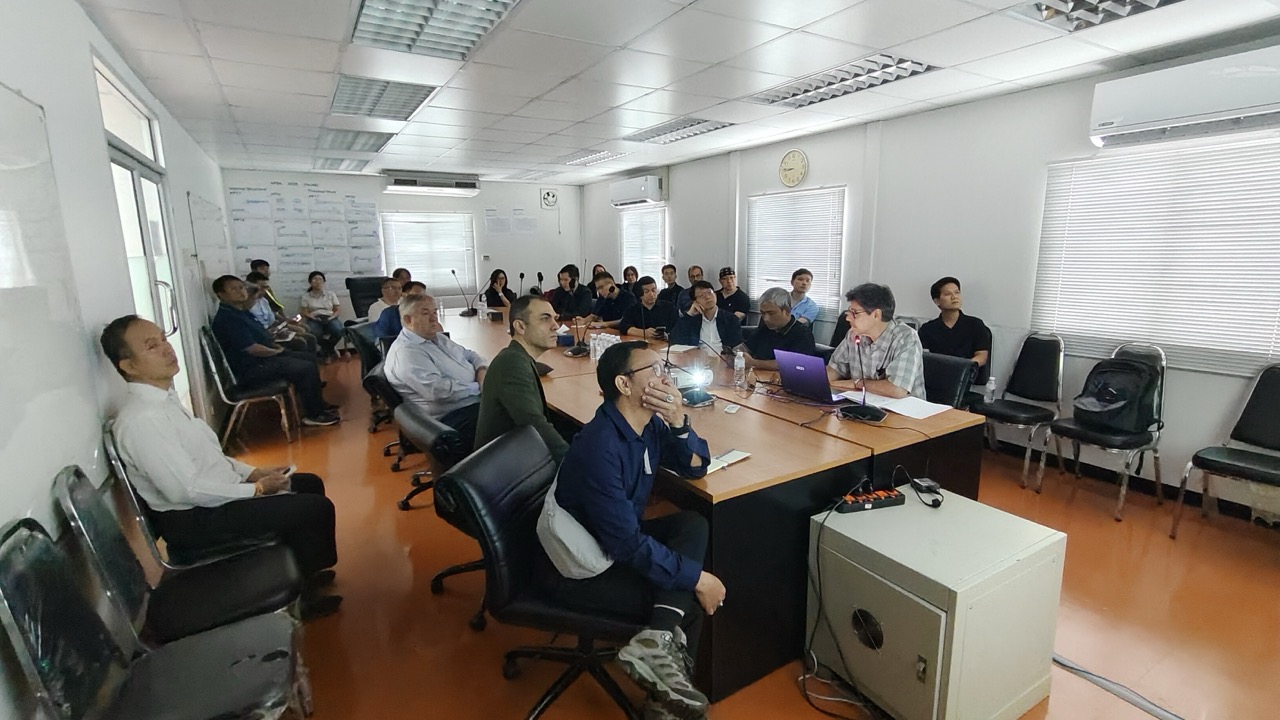
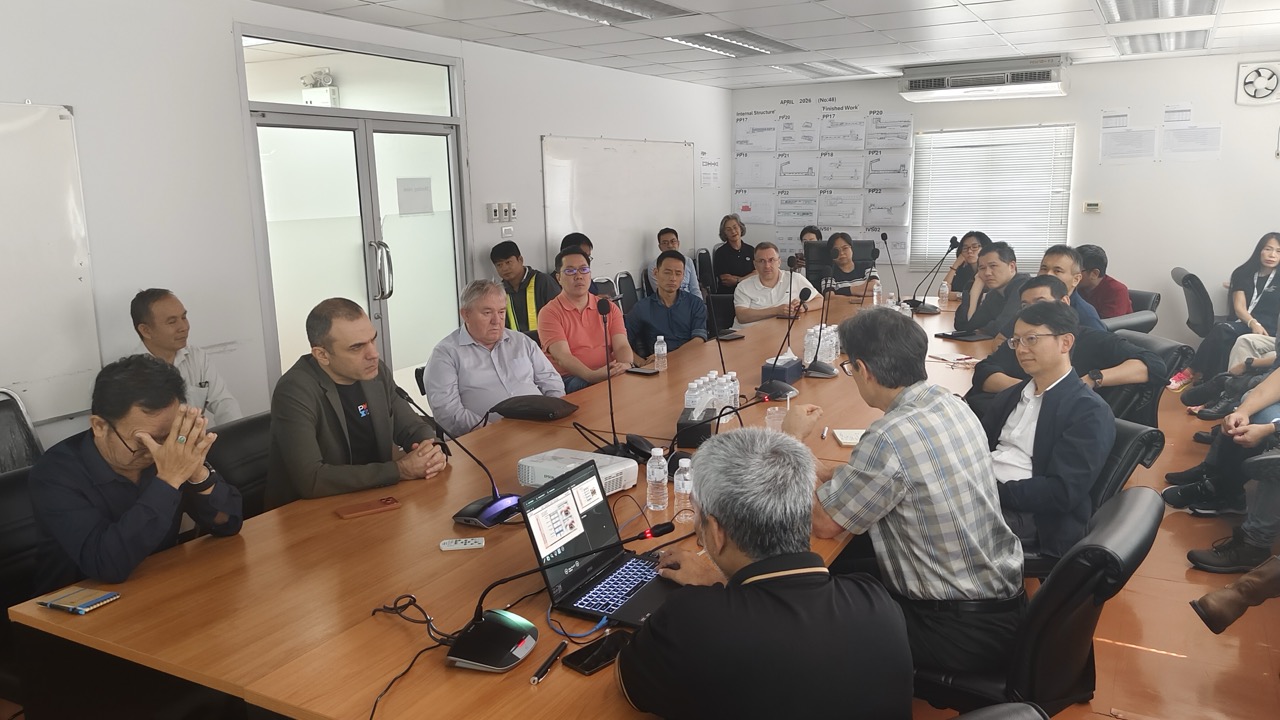
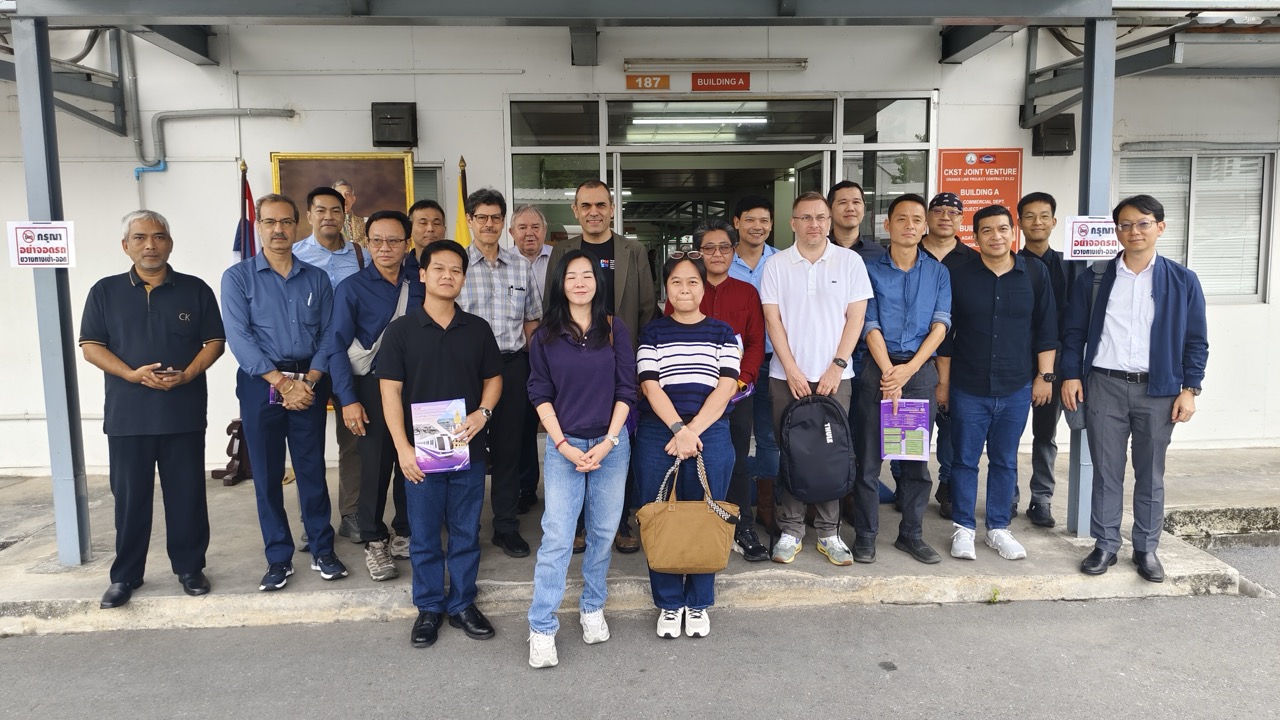
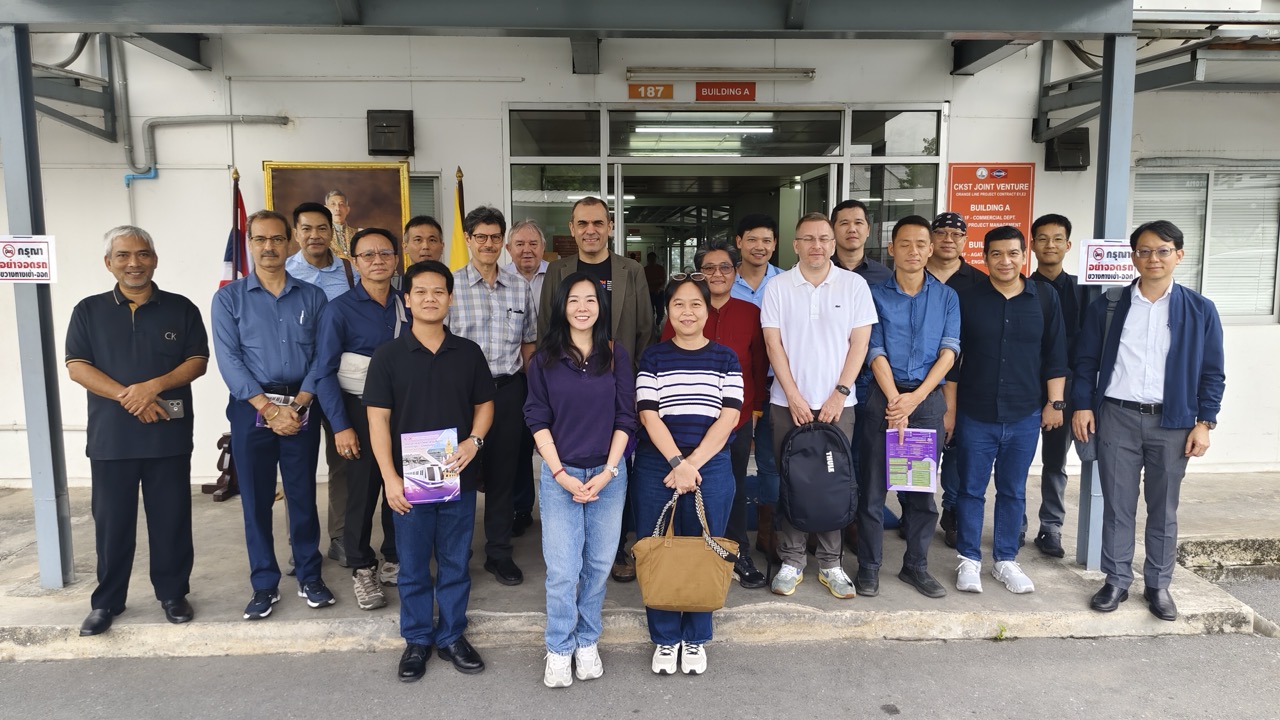
The PMI Thailand delegation first arrived at the CK Orange Line Project Office.
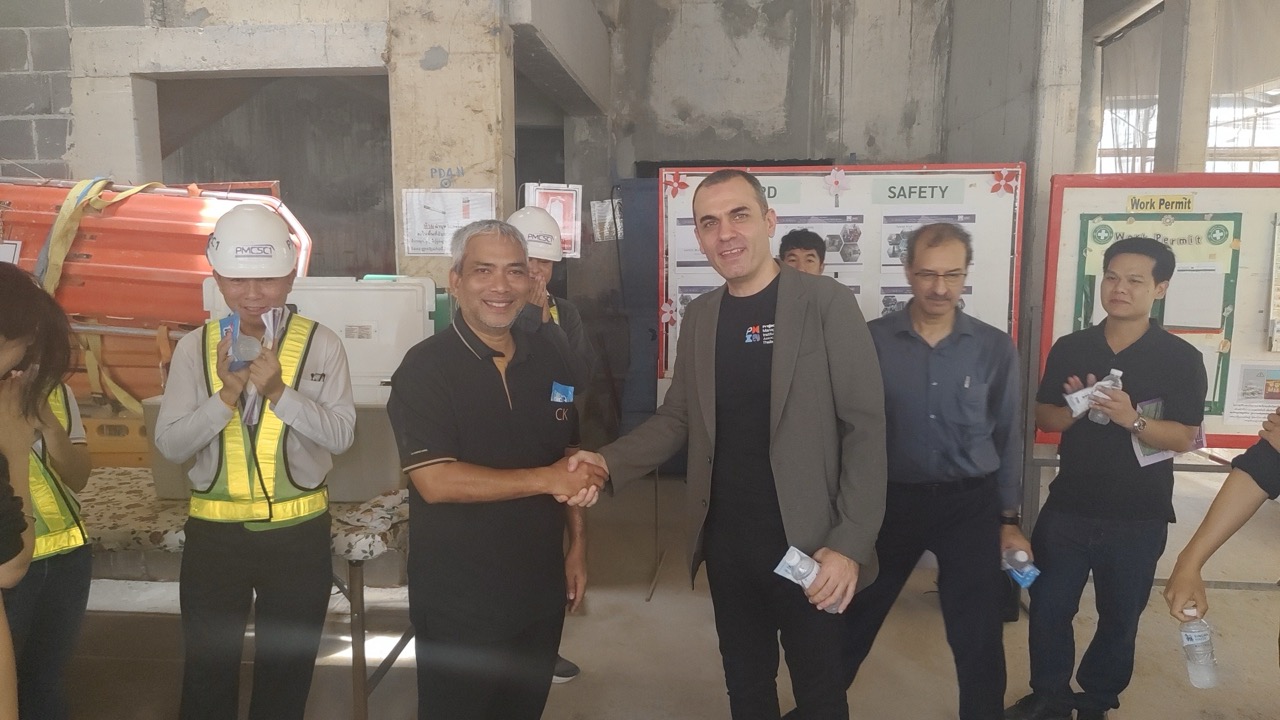
Participants were welcomed by representatives from the Project Management and Construction Supervision Consultant (PMCSC), along with representatives from the contractor team.
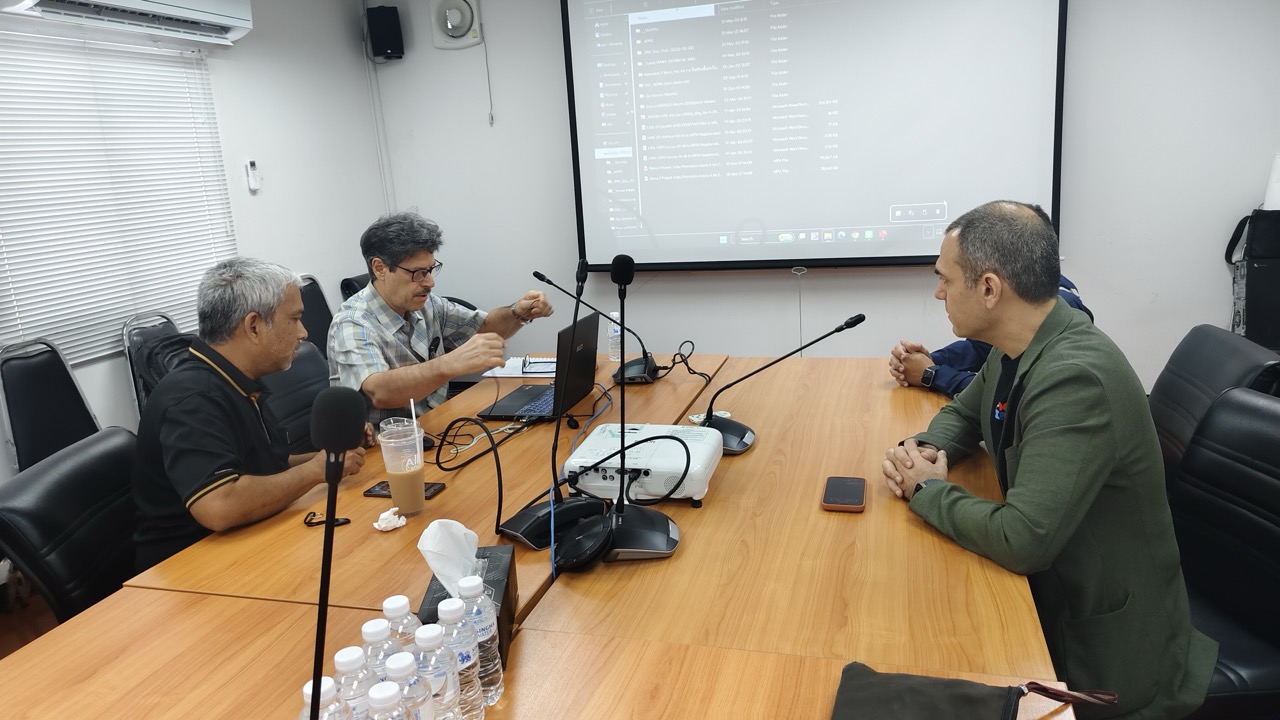
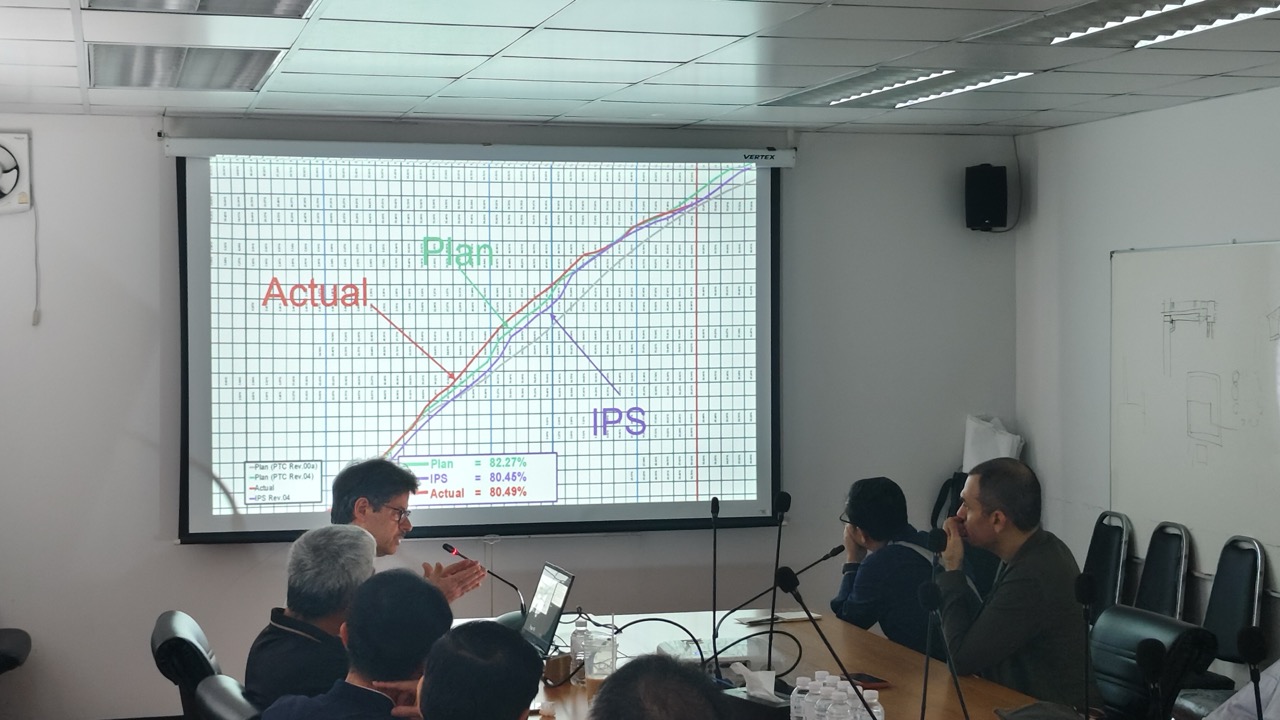
The PMCSC team delivered a highly informative presentation focused on project governance and supervision responsibilities across Contracts C1 and C2.
The presentation covered:
Program Organization Structure
The consultant explained how the overall metro program is governed through layered project management structures involving:
- MRTA
- Program management consultants
- Design consultants
- Contractors
- Supervision teams
- Safety teams
- Interface management teams
The complexity of coordinating multiple contractors simultaneously across dense urban environments became immediately apparent.
Contract Strategy and Commercial Management
One of the most valuable parts of the presentation involved contract administration and commercial controls.
Topics discussed included:
- Types of contracts used
- Milestone-based delivery structures
- Interim payment mechanisms
- Key dates versus milestones
- Delay management
- Liquidated damages
- Variations and change management
- Contingency management
The consultants explained how milestone completion affects payment release and how failure to achieve contractual key dates may trigger liquidated damages.
Participants also learned how urban rail megaprojects require strict interface coordination between contractors to avoid cascading schedule impacts across connected packages.
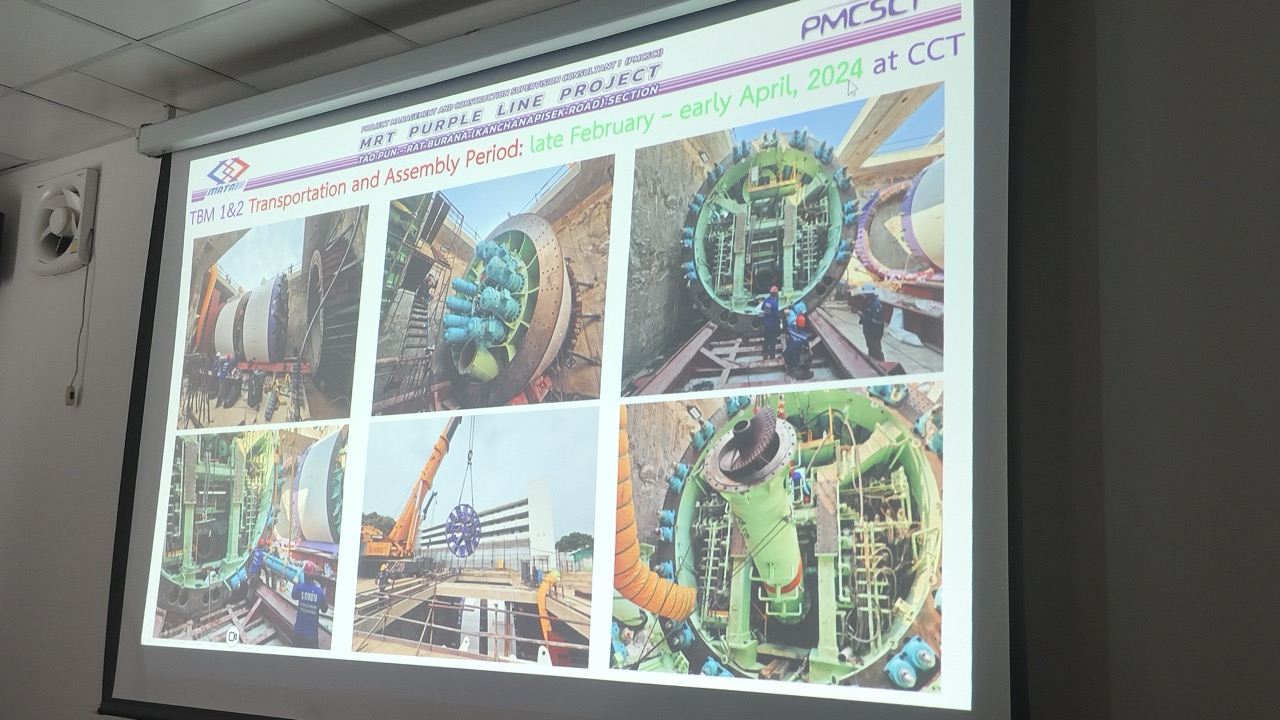
Tunnel Construction and TBM Operations
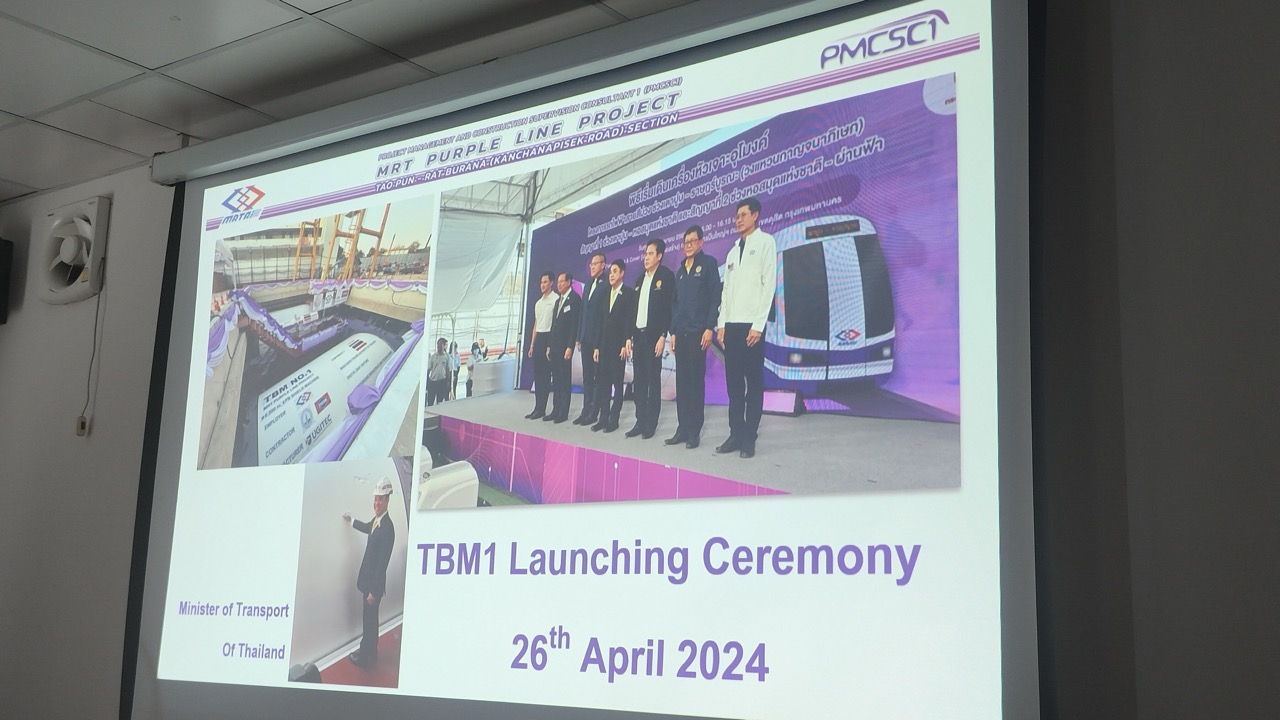
The contractor team from CH. Karnchang then delivered a technical presentation on tunnel construction progress and tunneling methods.
A major focus was the Tunnel Boring Machine (TBM) operations.
What is a TBM?
A Tunnel Boring Machine is a large mechanized excavation system designed to construct underground tunnels safely and efficiently while minimizing disruption to the surface environment.
TBMs are essential in modern metro construction because they:
- Reduce surface disruption
- Improve worker safety
- Maintain tunnel precision
- Control ground settlement
- Minimize vibration and noise
For Bangkok’s soft soil and groundwater conditions, TBM operations require extensive geotechnical control and monitoring.
How the TBM Works
The team explained the excavation cycle in detail.
The TBM advances approximately 1.4 meters at a time.
The process generally follows this sequence:
- The rotating cutter head excavates soil.
- Excavated material is transported out through conveyor or slurry systems.
- Hydraulic jacks push the machine forward.
- Precast concrete tunnel lining segments are installed behind the cutter head.
- The lining ring forms the permanent tunnel structure.
- Grouting fills the void between soil and tunnel lining.
The tunnel lining segments are manufactured in Thailand, including production facilities in Ayutthaya Province.
The segmental lining system provides:
- Structural support
- Waterproofing
- Ground stabilization
- Long-term durability
The contractor also discussed:
- Tunnel dimensions
- Segment thickness
- Waterproofing systems
- Ground settlement monitoring
- Leakage prevention methods
- Emergency safety procedures
Parallel Tunnels vs Stacked Tunnels
An interesting technical discussion focused on tunnel configuration strategies.
Depending on available road width and right-of-way constraints, tunnels may be constructed:
- Side-by-side (parallel arrangement)
- Vertically stacked (one above another)
Parallel tunnels are simpler for operations and maintenance but require wider underground corridors.
Stacked tunnel arrangements are used when:
- Road widths are narrow
- Utility congestion is severe
- Urban constraints limit excavation space
- Station access geometry becomes difficult
This highlighted how engineering decisions in urban rail systems are heavily influenced by surrounding city infrastructure.
Ground Settlement and Structural Monitoring
One particularly sensitive section of the alignment required tunneling beneath an existing hotel structure.
The contractor explained how this area demanded:
- Daily structural monitoring reports
- Strict settlement thresholds
- Continuous instrumentation readings
- Controlled TBM advance rates
- Enhanced grouting procedures
Urban tunneling beneath existing buildings introduces significant risk.
Even minor ground movement may affect:
- Foundations
- Structural alignment
- Waterproofing systems
- Utility networks
The discussion demonstrated the importance of integrating engineering controls with project risk management and stakeholder communication.
Site Visit: MRT National Library Station
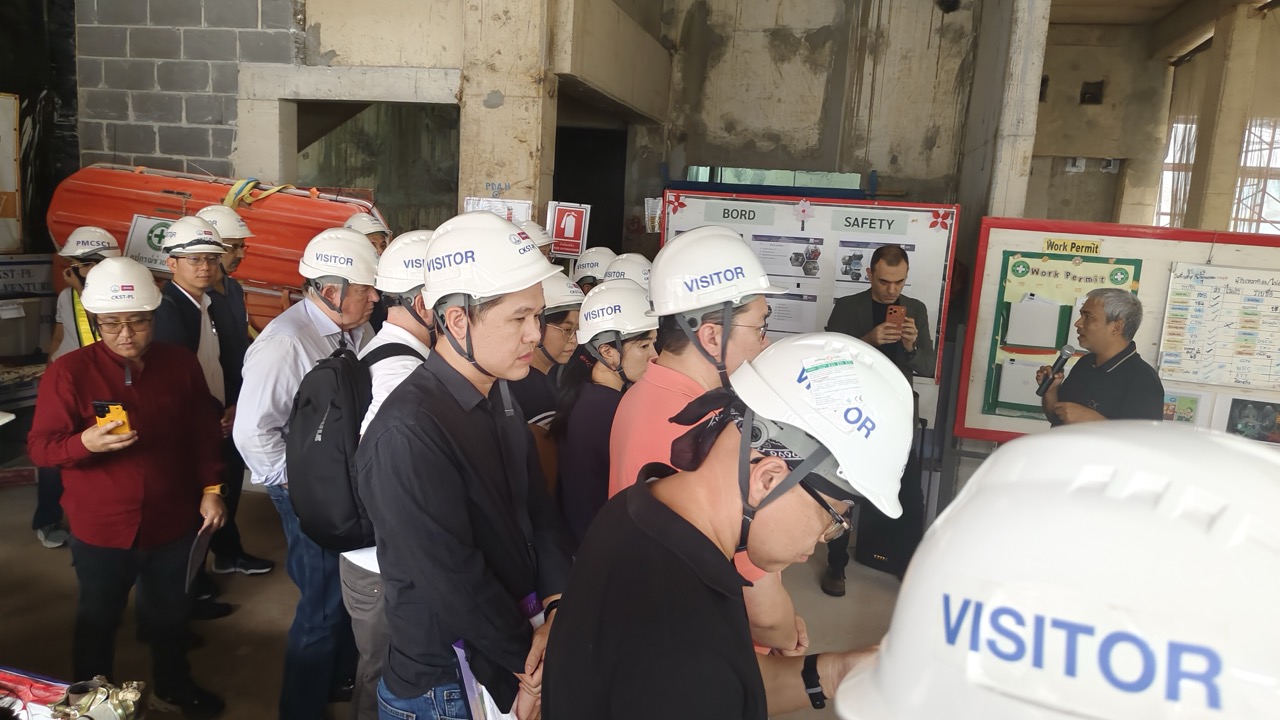
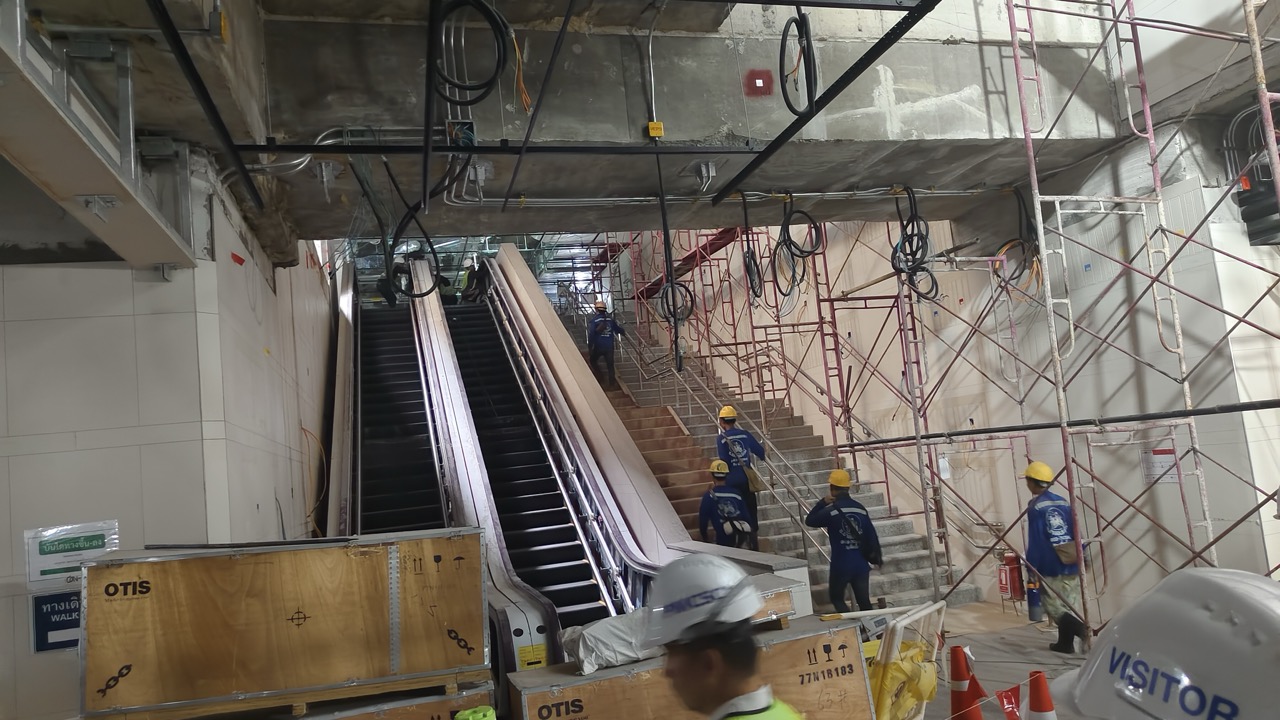
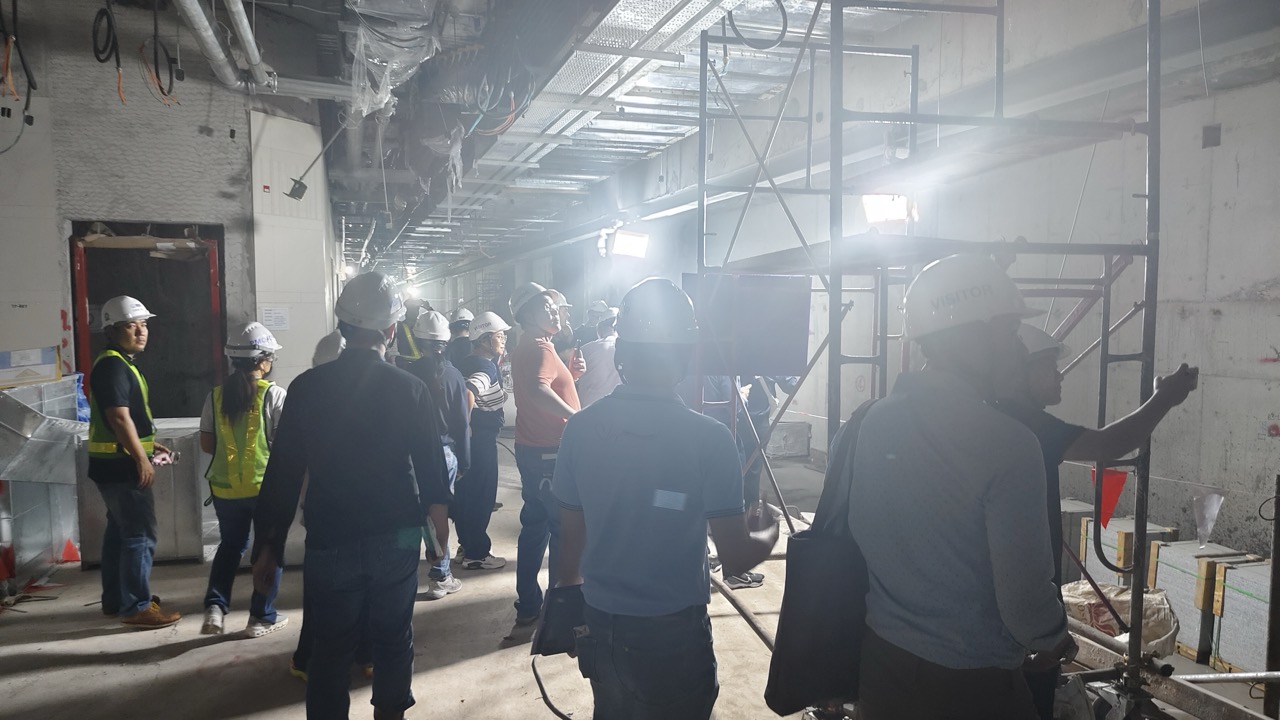
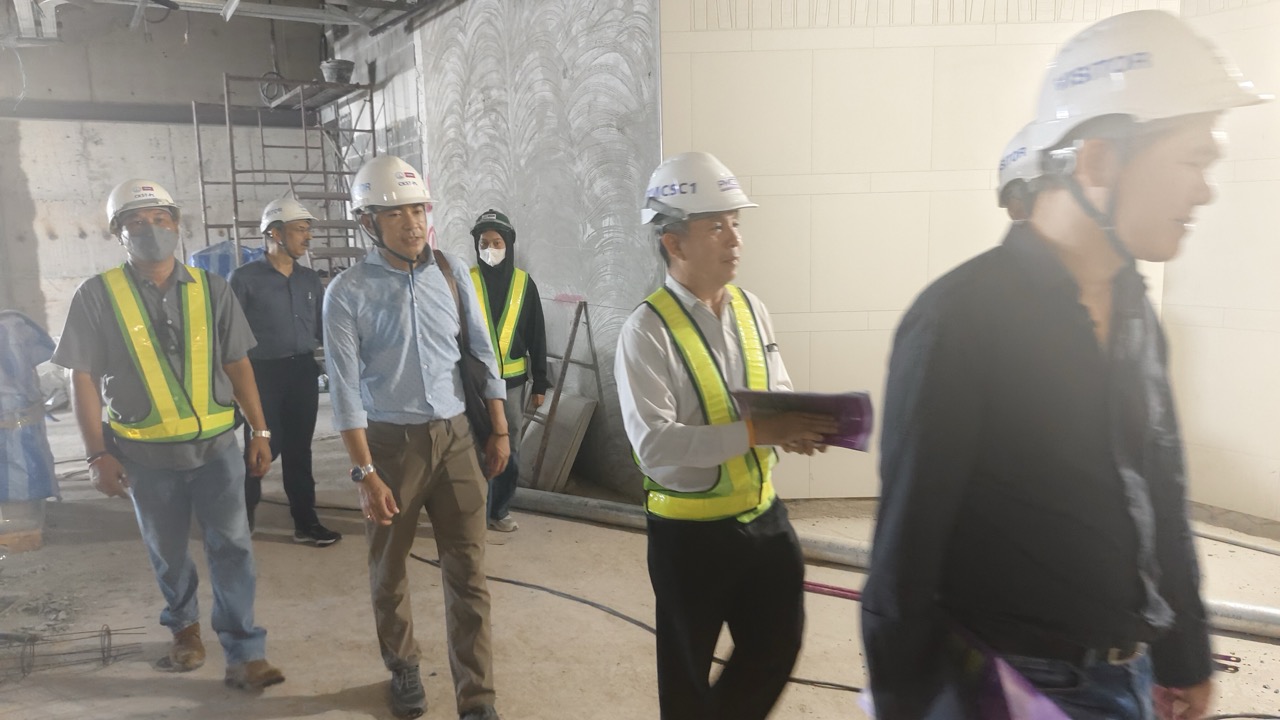
Following the presentations, the PMI Thailand group traveled to the MRT National Library Station construction site.
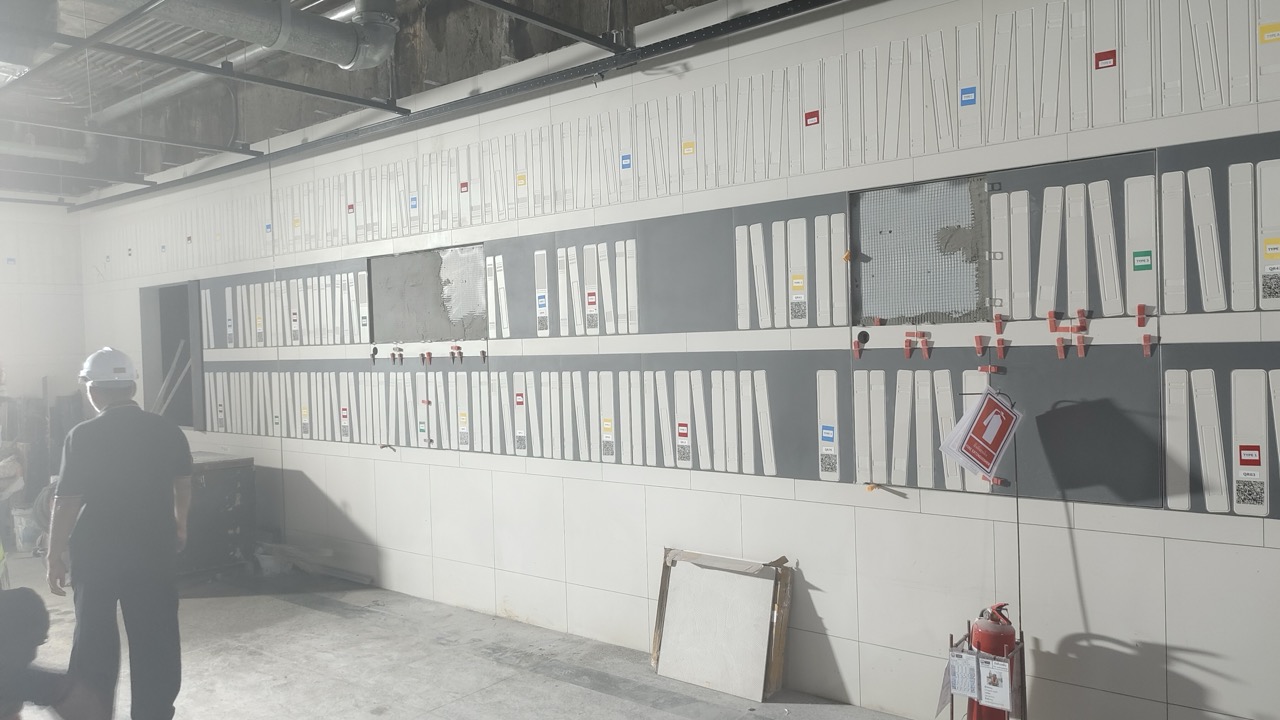
Participants entered the underground station works and observed the concourse and platform construction areas firsthand.
The station environment provided a powerful reminder of the realities of underground infrastructure delivery:
- High humidity
- Heat
- Restricted working areas
- Continuous coordination between trades
- Intensive safety controls
Participants witnessed active construction activities involving:
- Structural works
- MEP installation
- Finishing works
- Equipment installation
- Site logistics coordination
The visit gave project managers valuable exposure to:
- Live construction sequencing
- Underground station layout planning
- Safety management practices
- Workforce coordination
- Urban construction challenges
Lessons for Project Managers
The field visit highlighted several important project management lessons.
1. Megaprojects Depend on Interface Management
Success depends heavily on coordination across:
- Contracts
- Stakeholders
- Consultants
- Contractors
- Government agencies
- Utility owners
2. Risk Management is Continuous
The project demonstrated active management of:
- Settlement risks
- Water ingress risks
- Delay risks
- Safety risks
- Utility conflicts
- Public impact risks
3. Schedule Management is More Than Dates
The discussions around milestones, key dates, and liquidated damages showed how contractual scheduling directly affects:
- Cash flow
- Claims
- Contractor performance
- Stakeholder confidence
4. Construction Technology Must Match Urban Constraints
TBM selection, tunnel alignment, and station design all depend heavily on:
- Existing infrastructure
- Ground conditions
- Available space
- Environmental limitations
Closing Reflections
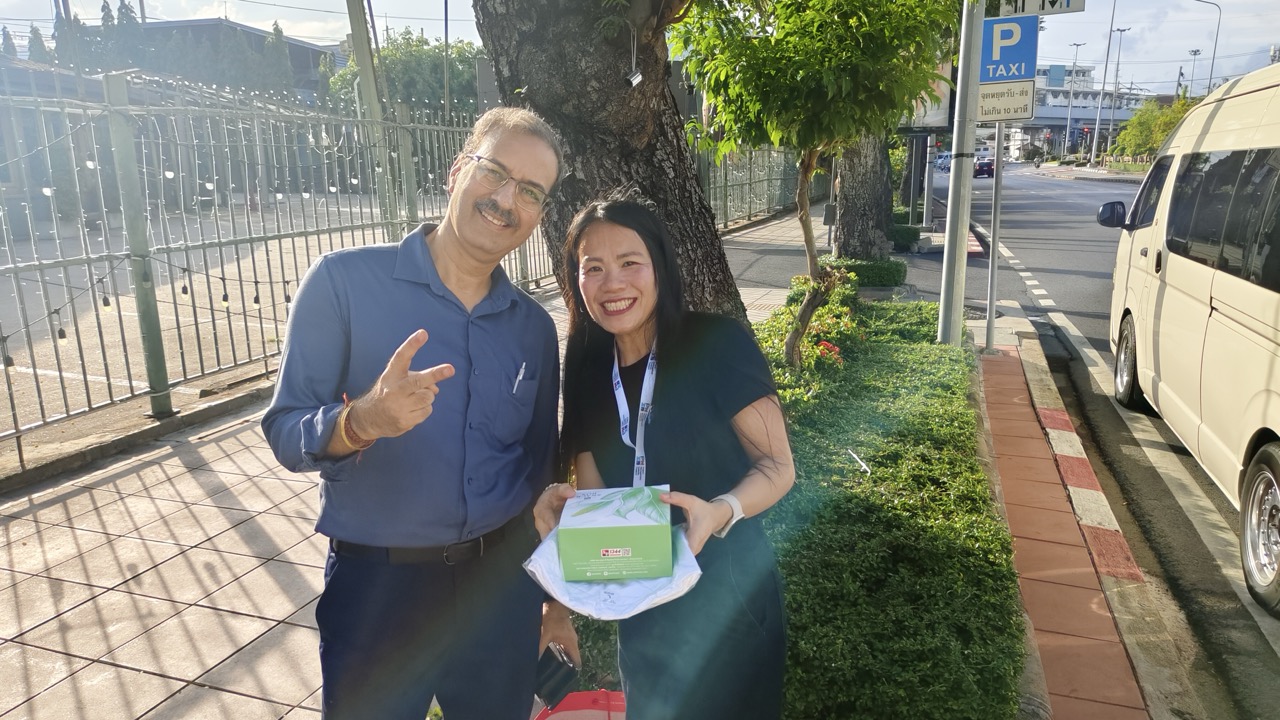
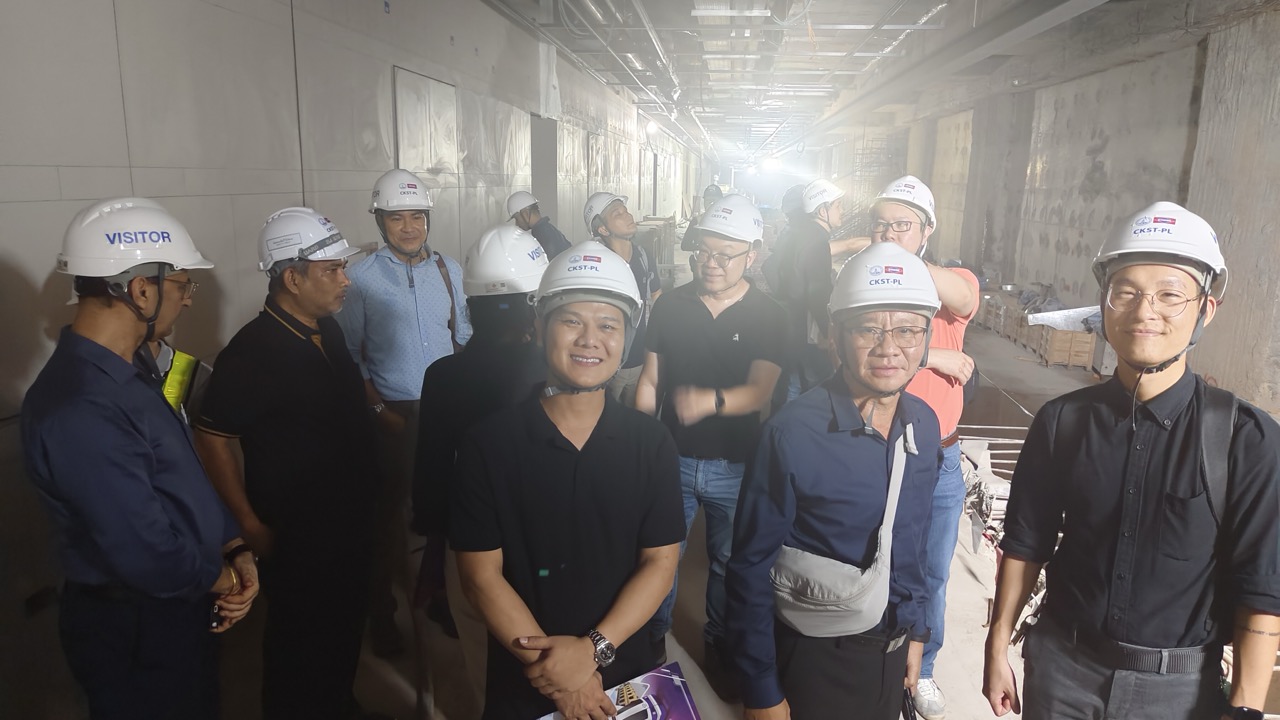
The technical visit concluded around noon following group photographs, exchange of souvenirs, and appreciation to both the consultant and contractor teams for their hospitality and detailed technical presentations.
Lunch boxes were shared among participants before returning to the PMI Thailand office.
The visit offered far more than a construction tour.
It provided a direct view into how large-scale infrastructure projects are governed, engineered, controlled, and delivered inside one of Southeast Asia’s busiest urban environments.
For the PMI Thailand Chapter community, the experience reinforced the importance of integrating project management principles with technical execution, stakeholder coordination, safety management, and disciplined governance.
The MRT Purple Line South Extension stands as an outstanding example of modern urban infrastructure delivery in Thailand and a valuable learning platform for project professionals across industries.
For more information about the field trip and PMI Thailand Chapter activities, please visit PMI Thailand Chapter
Technical project information sourced from:
MRTA Purple Line Project Information
Bangkok Post Coverage on Purple Line Consultants
Purple Line Construction Progress Reference
Aurecon Purple Line Project Overview